Listen on:











Episodes
Friday Aug 25, 2017
Friday Aug 25, 2017
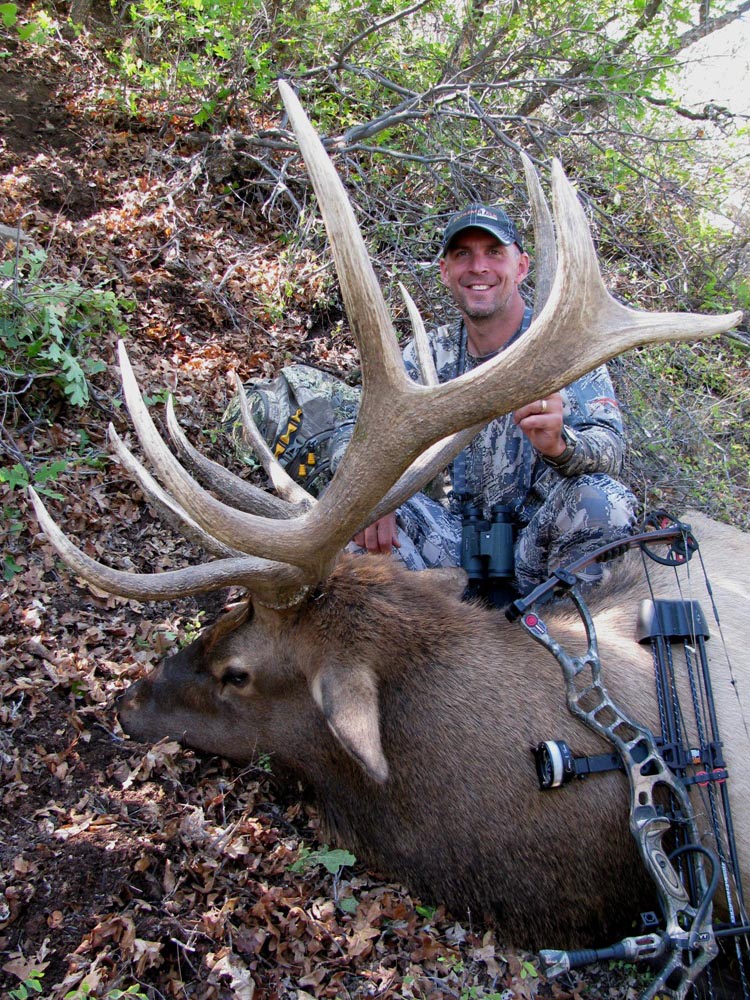
Corey Jacobsen Campfire Stories :
John Stallone and Corey Jacobsen share stories of some of their most memeorable hunts and how those experiences shaped how they hunt today...
Monday Aug 21, 2017
Monday Aug 21, 2017
Corey Jacobsen "The Linguist" himself schooling us on the hows and whys of elk calling, locating elk, scouting, choosing a hunting spot and a play by play on how he does it.
We talk about:
Coreys specific style of hunting and agressive calling tactics
The location bugle vs Challange bugle
getting in close and making them close the distance
Find out more about Corey and elk hunting tactics go to http://www.elk101.com/
Wednesday Aug 16, 2017
Wednesday Aug 16, 2017
Getting ready for up coming season with Zach Herold 8.39
John Stallone and Zach Herold talk about planning out your hunting season, out of state hunting trips, and podcasting.
Zach has been shooting a bow for over fifteen years. He first got involved with archery through the 4-H club when he was ten years old. His favorite time of year is hunting season, and for the past few years he has hunted exclusively with his bow. Zach has successfully taken many deer, antelope, and elk using his bow, and is always ready for the next adventure. He takes a lot of pride in involving his son in his hunts. Of course that makes it more of a challenge but he feels the memories to last a lifetime are more important than the antlers on the wall.
Check out Zachs podcast Archery Maniacs
Download and Subscribe to Interviews With The Hunting Masters Big Game Hunting Podcast brought to you by The Outdoor Insiders on iTunes, Podbean,
Player FM or Sticher. It's FREE!
Help keep this podcast free and give us review on Itunes and leave us a comment to let us know how we are doing !
www. Johnstallone.me
https://www.instagram.com/johnstallone/
This episode is brought to you By the Outdoor Insiders your #1 spot for inside information and Quality Gear.
Also by Sneek Tec Sneak Boot Hunt Smarter and be deadly quite!
Monday Aug 14, 2017
Monday Aug 14, 2017
Episode 8.37 John Stallone talks with host of Whitetail Rendezvous podcast Bruce Hutcheon on scrape hunting for whitetail and his amazing adventures. I tease Bruce about his age but this guy runs circles around guys less than half his age becuase at 71 hes still climing 14ers and chasing big game all over the west.
About Bruce Hutcheon:
Bruce has enjoyed hunting from Ungava Bay of northern Quebec to the tundra of Alaska. His hunting adventures include many provinces of Canada, most of the mid-west and Rocky Mountain states. Presently, Bruce serves on the Colorado Sportsmen’s Roundtable representing the sportsmen and women of the Southeast region of Colorado. He has served as a Huntmaster for the Colorado Parks and Wildlife, RMBS board member and life member, Co-Chair of RMEF Big Game Banquet in Colorado Springs and RMEF life member #200, Life member of the Wild Sheep Foundation and a life member of the NRA. During the winter months Bruce heads to the warm waters of the eastern pacific seeking trophy Yellow Fin tuna out of San Diego, CA. Bruce and his family have lived in the Colorado Springs, Colorado area for many years.
Download and Subscribe to Interviews With The Hunting Masters Big Game Hunting Podcast brought to you by The Outdoor Insiders on iTunes, Podbean,
Player FM or Sticher. It's FREE!
Help keep this podcast free and give us review on Itunes and leave us a comment to let us know how we are doing !
www. Johnstallone.me
This episode is brought to you By Sneek Tec Sneak Boot Hunt Smarter and be deadly quite!
Monday Aug 07, 2017
Monday Aug 07, 2017
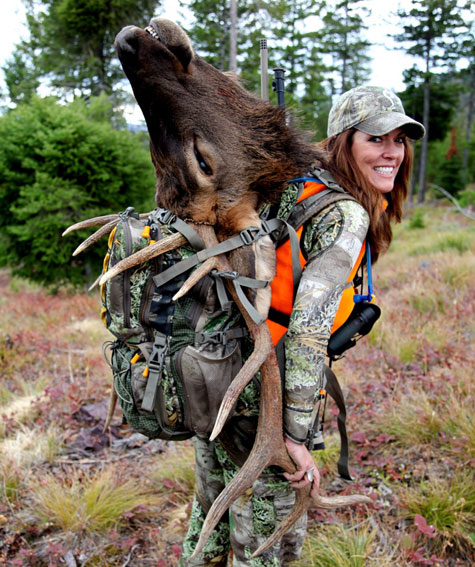
John Stallone talks with Jana Waller American Big game Huntress Episode 38 season 8
Jana Waller grew up in the town of Fort Atkinson, Wisconsin and has been a hunter and angler for three decades. Earning a Public Relations degree from the University of Wisconsin-Whitewater, Jana has blended her passion for hunting and fishing with her communications background, actively promoting women in the outdoors and undeniable relationship between hunters and conservation.
A bowhunting veteran of 20+ years, Jana started out hunting Wisconsin whitetails but has since traveled the globe with her bow in tow, hunting in Africa, Canada and all over North America. Appearing on national television shows such as Invasion on Animal Planet, Outfitter Bootcamp on The Outdoor Channel, and Ammo & Attitude on NBC Sports.
Jana is currently hosting and co-producing her own show called ‘SKULL BOUND TV’ on The Sportsman Channel where her adventures and her artwork are shared with millions. A ‘BONE-IFIED’ skull artist, Jana has been painting and beading European skulls for over a decade, selling her unique artwork in galleries and retail stores as well as custom designing skulls for hunters across the country.
Jana is an active member of the Rocky Mountain Elk Foundation, Safari Club International, National Wild Turkey Federation, Mule Deer Foundation, United States Sportsman Alliance, and the NRA.
She donates numerous beaded and painted skulls annually to conservation groups that help protect our hunting heritage. Along with being a advocate for conservation, she is also a proud supporter of the U.S. military and often features veterans on Skull Bound TV. Jana works passionately to promote a variety of veteran-related organizations such as Elder Heart, Mission 22, the Phoenix Patriot Foundation and others.
Download and Subscribe to Interviews With The Hunting Masters Big Game Hunting Podcast brought to you by The Outdoor Insiders on iTunes, Podbean,
Player FM or Sticher. It's FREE!
Help keep this podcast free and give us review on Itunes and leave us a comment to let us know how we are doing !
www. Johnstallone.me
https://www.instagram.com/johnstallone/
This episode is brought to you By the Outdoor Insiders your #1 spot for inside information and Quality Gear.
Also by Sneek Tec Sneak Boot Hunt Smarter and be deadly quite!

Monday Jul 31, 2017
Monday Jul 31, 2017
Episode 8.36 John Stallone talks with John Huber of Huber concepts on trigger pull and muzzle breaks and the importance in precision shooting..
In this episode we talk about:
* Trigger pull
* Trigger timing
* Dual stage triggers
* The importance of a muzzle break
* Shot timing
From John Huber:
Many thanks to John Stalone for what he means to our industry.
Congrats on his PodCast Award Nomination !
“Interviews with the Hunting Masters”
Good Show John !
Huber started 18 years ago looking at a Mauser. Loved the history and the rifle but hated to shoot it.
Very poor trigger. So a new mouse trap was born incorporating ball bearings.
10 years later, most all Mil Surp era bolt owners are now are able to have fun shooting.
Depending on the rifle, adjustable single and two stage Huber Balls Triggers are in stock.
After repeated requests to build a Huber for a modern rifle, the Rem 700 Style was born.
The complex time based design is not just a replacement trigger, it improves shot timing.
Wisconsin based Huber manufactures terrific Single Stage as well as 2 Stage versions for Rem 700 OEM or clone actions.
Product Announcement
Exclusively news for John Stalone’s PodCast friends –
Huber 700 Style triggers are now shooter tunable.
(historically factory set to individual order specs)
Lifetime Warranty
(just don’t shoot a hole in it)
Gun Builder and Dealer program now available
There are many shooting instruction programs throughout the country. Jamie Dodson, top shooter and owner of Synergy Arms/Wolf Precision has Hubers in all his training rifles. For beginners, especially women, they are able to feel the trigger and not fear the gun. Advanced shooters are able to improve their shot timing.
When all is said, the trigger is the last interface the shooter has with his rifle. We think that is important to consider.
Several years ago John told Diz that he had an idea for a muzzle break. Diz offer less than zero support as everyone make brakes. John’s design of the Huber Square Brake is the best ever. Check out the UTube video on Huber’s Website and see if you agree.
No Recoil
No Muzzle Rise
No Air Concussion
Significant sound reduction
Diz received a call from a new Square Brake customer. Popped it on his .338 Lapua and fired over 80 rounds… not too bad – but pretty expensive ammo !
For what it is worth, today, yes today Huber is dropping the price of the Square Brake from $135 to $75 for #IWTHM subscribers.
“Shoot a Huber”
“Better Shot Timing Guaranteed”
Diz Disbrow, CFO and John Huber, CEO are life-long friends, Fond du Lac Wisconsin natives and Partners in Huber Concepts.
Huber Triggers
HuberConcepts.com
HuberConceptsLLC@Gmail.Com
920.921.9641
#IWTHM podcast is a big game hunting podcast where you the listener sends in questions to be answer by the industry's top hunters. John Stallone an guests dive into the how, why, what and when to help you put together the secret sauce to improving your hunting season.
Download and Subscribe to Interviews With The Hunting Masters Big Game Hunting Podcast brought to you by The Outdoor Insiders on iTunes, Podbean,
Player FM or Sticher. It's FREE!
Help keep this podcast free and give us review on Itunes and leave us a comment to let us know how we are doing !
www. Johnstallone.me
https://www.instagram.com/johnstallone/
This episode is brought to you By the Outdoor Insiders your #1 spot for inside information and Quality Gear.
Also by Sneek Tec Sneak Boot Hunt Smarter and be deadly quite!
#daysinthewild
#johnstallone
#interviewswiththemasters
#hunting
#elkhunting
#deerhunting
#biggamehunting
#archerypractice
#spotandstalk
#muledeerhunting
#couesdeer
#couesdeerhunting
#ibexhunting
#antelopehunting
#whitetailhunting
#bowhunter
#bowhunting
#johnstallone
Monday Jul 24, 2017
Monday Jul 24, 2017
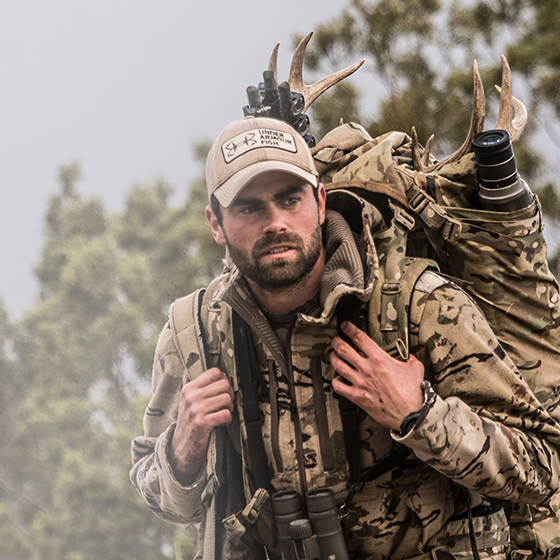
8.35 John Stallone and Remi Warren talk Elk hunting how to locate and harvest bulls in any season.
A bit about Remi Warren:
I have been hunting my entire life and am passionate about sharing my knowledge and adventures with others. From a very young age I took to the mountains learning the land and the animals in it. I constantly pushed myself in the field to be the best I could, and learned a lot of good lessons along the way... often through trial and error.
After high school I made my living in various aspects of the outdoor industry. Working as a hunting guide, outfitter, outdoor writer, photographer, videographer, and TV personality.
At the age of 22, I opened Montana OutWest Outfitters in the Bitterroot Valley of Montana, specializing in elk and deer hunts on public land. Later I expanded my operation by booking hunts in New Zealand and Africa.
Elk season starts in the summer By Remi Warren
It was a typical summer weekend, I had a great morning on the river but as the sun started to peak I traded my fly rod in for my boots and pack, it was time to hit the hills. I headed out to scout a new area I found on the map for elk. As I got closer to where the water hole was on the GPS I could hear elk talking back and fourth as they milled around. There were two smaller bulls still in velvet and about two dozen cows, some bedded some up feeding. In my mind this was the beginning of elk season, early July. This resident elk herd along with others I had found would be my concentration for the rest of the summer and on into the real hunting season. To many hunters summer is often seen as the lull time between seasons but what you do in the summer can have a dramatic impact on your elk hunting success this fall. So many elk hunters today depend on weather to be successful, waiting for storms that may not come to push migrating herds out of the backcountry. One way to bypass this is to target resident elk herds in the summer, learning their patterns so you can be successful in the early part of the fall.Where to start-In Montana many of the gated logging roads are open during the summer months allowing you to scout areas that are walk-in only when the season starts. This allows you to get a feel for the type of country in the area and gives you ideas of where to start looking. I always start my scouting by first looking over a topo map for area’s that have year round water. This is essential especially in the heat of the summer because the elk will need to not only drink but wallow as well. When starting in on a new area I look for areas that form a natural bowl, where there is a gradual valley or draw with water and cover off the beaten path. I look for areas where there is a large main ridge on each side with finger ridges that feed to the valley between the two main ridges. The sample map shows the main ridge highlighted with the thick orange line and the finger ridges highlighted by the thin orange line. The elk will generally bed on the timbered finger ridges above the water, about half way to the top of the bowl. If possible try to glass these areas before walking through them looking for sign. The goal is to find where the elk are without disturbing them. The less you impact their routine the more likely they are to stay in the area when the season rolls around.
Looking for those resident herds- When summer scouting I am looking for resident elk that hold a specific area almost year round, these are often times elk the remain on the wintering range throughout the summer. I like to focus on resident elk herds because these animals will often hold the same patterns in an area from summer into the beginning part of rifle season. This makes your success not as weather dependent as hunting the migrating herds. These resident animals know the area and have formed patterns that they feel comfortable with over the years. As the season progresses migrating herds often join with these resident groups of elk falling into the same patterns. By watching resident elk herds during the summer you are able to have a better understanding of where the elk will be during the hunting season. It is never too early to look for summer areas that hold resident elk. Last summer I watched group of elk that only had couple of rag horns in it, as the season progressed other elk moved into this area and stuck with the resident group. The summer scouting paid off when we were able to harvest a nice 5x6 bull that had joined the group during the rut and stayed through the opening week of rifle season. The summer scouting also really pays off in the fall when the weather stays hot in October. Even in the hottest October the elk had hotter temperatures during the summer. Look at the places where you had seen the elk during the hot summer days and focus your hunt there. You will be surprised at how the elk patterns are often the same as they were on your summer scouting trips.
Summer scouting can also help pay huge dividends for archery hunters. Even if the group you find consists only of cows the rut will draw bulls into that area. This will help give you the upper hand when trying to trick that bull into bow range.
I am also the co-host of Solo Hunters on the Outdoor Channel. The concept of the show, I go into the mountains and film my hunts alone. This has been a challenge that I love: playing the role of hunter, cameraman, producer, and adventurer simultaneously.
When not guiding or filming, I work as a field editor for both Western Hunter Magazine and Elk Hunter Magazine, sharing hunting tips and tricks I have learned along the way.
Monday Jul 17, 2017
Monday Jul 17, 2017
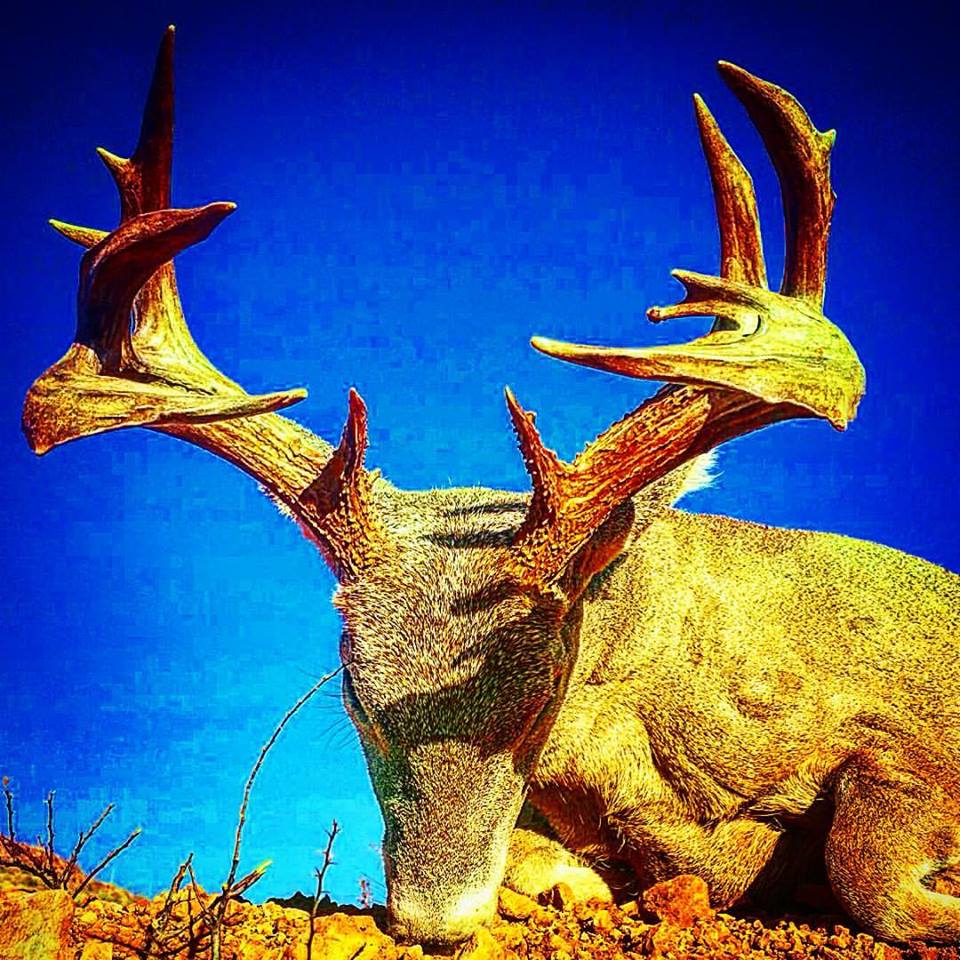
8.34 Coues deer hunting With SEAZO Eddie Willey and I talk about what it takes to Score big coues bucks consistantly.
Eddie knows how to hunt giant coues deer bucks he has guided many clients to outstanding trophies.
How to find and hunt coues deer...
"The Rules of Enguagment "
As the owner of an Outfitting company, I am frequently asked the “easy” question of how to find big Coues Whitetail bucks. So let’s talk about how to find big Coues, not only in your backyard, but in new units and even other states. My guides and I have come up with a standard in which we operate; within this standard we have the “Rules of Engagement” These rules have lead us to some pretty remarkable bucks, and we have found by using the “Rules of Engagement” not only do we drastically increase our odds in successful hunts, but we often times find trophy class bucks in other units or states. So let’s get down to business; the following are a few rules within our “Rules of Engagement.”
The first rule of engagement, E-Scouting, is where we look at maps via the internet or apps. While many hunters do this step, our strategic approach is a key in our success. We thoroughly examine potential areas on a map, paying particular attention to the area’s topography. We compare this topography and the type of country to the areas we have seen or killed big bucks in. Within the potential area, we look at the distances to both seasonal and yearly water sources. Using primarily satellite imagery, we also compare places of cover and sources of food. Remember when E-scouting, you will never find identical areas, but you will find some that are promisingly similar.
The second rule of engagement, Validating, is where our boots hit the ground and we get out in the field. This is important. We are validating what we have seen on a map by scouting out the area in person to get a better understanding of the terrain. This step needs to be done cautiously and smartly. This should be the most intrusive you will be in this area. It’s best to work this area in the heat of the day to ensure you’re not interrupting the Coues’ natural behavior. Validate the water sources and pay close attention to prominent winds. During validation your goal is to identify the following things: the least intrusive path in and out of the area, locations to glass from, and if you use trail cameras, locations you anticipate using trail cameras.
The third rule of engagement, Marking the Boundary, is where we make our money. This is a slow and methodical process, and dependent upon the area, this can take a very long time. We begin working the fringes of the area we have identified. A good rule of thumb is to look three miles away from a water source, seasonal or yearly. Big Coues will establish a core area around seasonal water sources with the right cover and feed. When that water source is depleted, they will change or expand their core area to incorporate the yearly water source. This is the time you glass and incorporate trail cameras, if you use them. It is important that when you begin glassing that you’re working the fringe areas first. This means taking multiple trips (usually 3-6) into that specific fringe area, and glassing all day from that one location. When using trail cameras, allow 2-3 weeks and up to a month before checking them. After multiple glassing trips and running your camera, you may or may not have found a Coues buck, but either way the following steps are the same.
Let’s say you have observed a big Coues, you now need to expand your fringe area to the next ridge or draw, further away from your water source. Here again you make multiple glassing trips and put up trail cameras. You will get to a spot where you don’t pick that particular Coues up anymore. It’s at this point that you are “Marking the Boundary.” Now let’s say you don’t observe your big Coues, you will begin to work toward your water source to the next ridge or draw, and repeat the glassing trips and trail cameras. In time, with patience and a slow methodical approach, you will get a big Coues in your glass and on your trail cam. This again is “Marking the Boundary.” Taking this approach and applying it North, South, East and West will essentially make a box of the area and give you some vital knowledge. You will not only have found a big Coues but you will have in your possession the knowledge of what terrain he prefers from the feed of choice, bedding areas, distance to water, and most importantly the home range of a Big Coues Whitetail. To top it off, you will have done this by the least intrusive means necessary.
In closing, I hope this has given you a little insight into our “Rules of Engagement”, a process my guides and I feel is nearly bullet proof. I hope this information helps in your pursuit of harvesting your trophy. We hope this gives you some tools that provides a better understanding of Coues and the importance of the areas you chase them in. (Eddie Willey, Southeastern Arizona Outfitters, 8 July 2017).
Monday Jul 10, 2017
Monday Jul 10, 2017
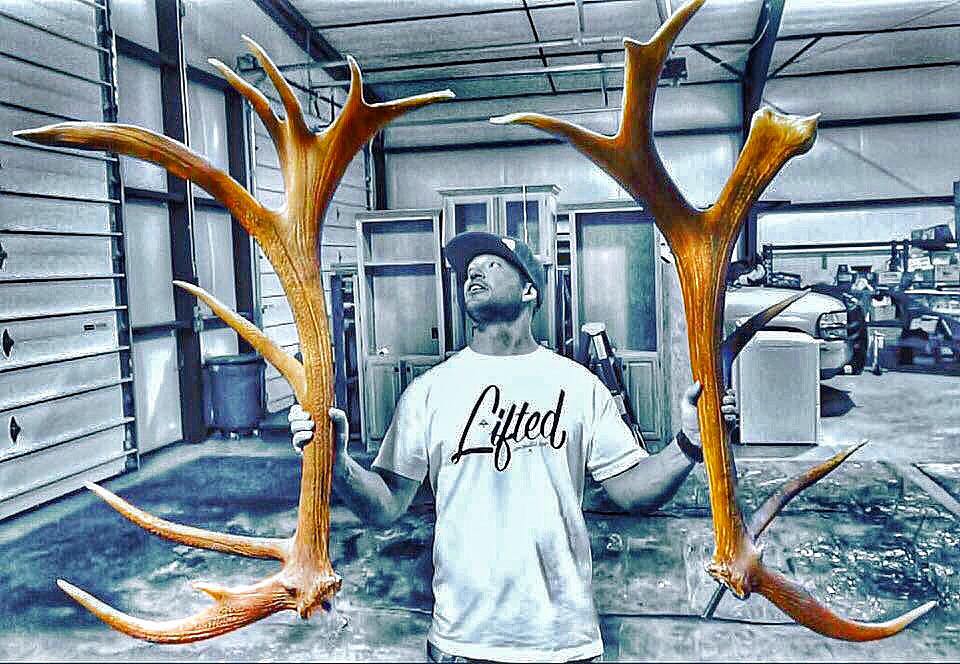
8.33 Trophy Elk Hunting tactics With Ryan Carter of DC Outfitters
Ryan is a trophy bull hunter and runs a successful guide service known for taking giant public land bulls call DC Outfitters. Ryan is a father of 3 daughters and when he's not hunting hes picking up giant sheds.
We talk about what it takes to take trophy Bull Elk : Ryan talks about the habitat to look for, the terrain features and behavioral characteristics to key in on to consistently find and hunt Giant bulls.
*How to use trail cameras to your advantage for elk
*Where to glass
* Habitat and behavior of elk
* Patterning trophy bulls
* The Elk rotation pin pointing his route
Stepping Up Your Elk Game by Ryan Carter of DC Outfitters
Elk hunting is an experience that almost defines western hunting. Big, loud, and stinky it’s amazing that elk are so elusive and hard to pursuit. The biggest issue with any species out west is the vast areas that these animals call home. The terrain is steep, rugged, and unforgiving. Pulling an elk permit is definitely the hardest part of the process, but once that is accomplished the work begins. Now your have to face the mountain. Here is where you dig deep to find out where these bulls call home and outsmart them on their own turf. One of the greatest tools of the game is TRAILCAMS!
Trail cameras can be the perfect tools for locating big bulls, but they can also be time consuming and frustrating if you don’t use them right. Over the years I have found a few ways to help me dial in the trailcam game. I seem to do ok, so listen up so this can be a fun experience.
Cameras- purchasing your cameras is your first step. Like most of you that are reading this, I hunt public land. Public land is used by all, so remember that not all people are on your team, you unfortunately may loose a few cameras. Knowing this I never spend a fortune on expensive cameras. I try to keep my purchases under $100. I also only buy brands that I can purchase a security box for that camera. These boxes help keep honest people honest, keep bears from walking off with your cameras, and keep elk from chewing on or moving them. Trust me it happens.
With that in mind, some cameras do better than others. Obviously the more expensive cameras will be better at taking far away shots or the infra red will reach out a little bit further during the night when elk seem to move the most. I personally use Stealthcams. This is not a plug. I simply have found that they reach a little bit further for my night shots. There is nothing more frustrating that getting a photo of a possible monster just out of reach during the nighttime. They also have fair priced security boxes for ALL of their cameras. Not all brands are that accommodating. Really though, buy what you can afford. You are using them to cover a broad area that your can’t do yourself so just find a deal and see which ones work best for you.
Setup- Setting up your camera is crucial. There are a couple of things that I always do when setting a camera:
Mount your camera facing north. The sun will ruin your photos if you face them east or west. You will likely get the sun shining in your lens during times when elk are moving the most. Also remember the sun runs on our southern hemisphere so I avoid that direction as well if at all possible.
Clear all brush and limbs. Nothing worse than leaving a camera for a month to come back and find 3000 pictures of a branch swaying back and forth in the wind. I keep a machete in my pack at all times when mounting cameras. They work faster than a pack saw for clearing branches, can cut tall grass away that may cause movement, and can be used to help dig holes in the ground for bait.
Don’t try to camouflage them with twigs or leaves. Half the time the branches fall over in front of the lens and the other half they attract bugs and small animals due to sap.
Mount cameras about 36-40” off the ground and keep them 10-12 feet from the focus spot where the elk will be. Whether that focus spot be salt, water, wallow, feed, or simply a trail. If the camera is too close you risk only seeing half of the bull or worse the antlers.
Locations- Despite what most will tell you, elk aren’t that smart. They are just big stinkies with instincts that outrank our own. With that in mind, they need to eat, sleep, and procreate. So when looking for trailcam locations I look to accommodate those 3 things.
Feeding Areas: Bull elk have to eat like horses through the summer when they are packing on bone. I look for acorn patches located next to benches of dark timber. July and August elk run to acorns like a fat kid running to cake. Aspens are an area many guys run too. Aspens more often than not are a good area for cows and calves, but bulls find secluded meadows in high basins and cliffs. Those tiny meadows are great spots for cams, but can take years to locate. If baiting is allowed in your state I put out salt or a salt/molasses mix during the velvet growth period. As the velvet comes off bulls don’t seem as interested in salt and I switch to a food bait or sweet lick.
Bedding areas: are often found on benches with dark timber with short access to feed. I have benches that I have put cameras on for years and they produce some of my best photos. Benches are used for bedding and feeding so look for flat spots on steep, north-facing mountainsides. Another nice thing about benches is they are visible on topo maps and google earth. Get looking!
Wallows: here is a tricky spot. Elk wallow for two reasons: too keep cool and to get stinky! During the summer months, elk cruise through wallow areas but rarely climb inside. Their velvet horns work like a radiator to keep them cool so rolling isn’t as active during this time. Once the velvet peels off the rolling begins. All elk guys look for wallows. Some wallows get covered in cameras as heavy as the guzzlers on the strip. It’s not a bad thing, but remember to be respectful of other people’s cameras so that the favor is returned. To avoid the camera cluster, I like to look for pinch points or trails that access the wallows. Many times in the summer the bulls don’t touch the wallows (like I said), but they cruise through all the same, and more often that not get their picture taken walking into the wallow but not using it.
Calving areas: I can’t tell you how many times I hear frustrated elk hunters complain about how their cameras are getting hit by cows and calves and not BULLS. This is NOT a bad thing! Cows and calves aren’t as migratory as bulls. Bulls will summer in one place and rut 25 miles away. So if you are getting pictures of cows, DON’T pull your camera!! The bulls will get there. Just keep in mind that the bulls don’t start working into those areas until mid September. If your hunt is during an archery season that ends early you may want to move, but if your tag is just beginning around mid September stay there! The bulls will come to you.
Trail cameras can be a fun part of the elk hunting experience. I love the pre season scouting almost more than the hunt itself, so I look forward to setting cameras every year. Remember this though, I RARELY kill the bulls that I get on camera. Just because he is on film doesn’t mean he is a resident or even a killable bull. What cameras do for you is that they can give you a description of the age class available and give you a bar to set your standards to. Killing the bulls you have on camera can be icing on the cake though. Remember to aim small and don’t be afraid to work for it!!
Tuesday Jul 04, 2017
Tuesday Jul 04, 2017
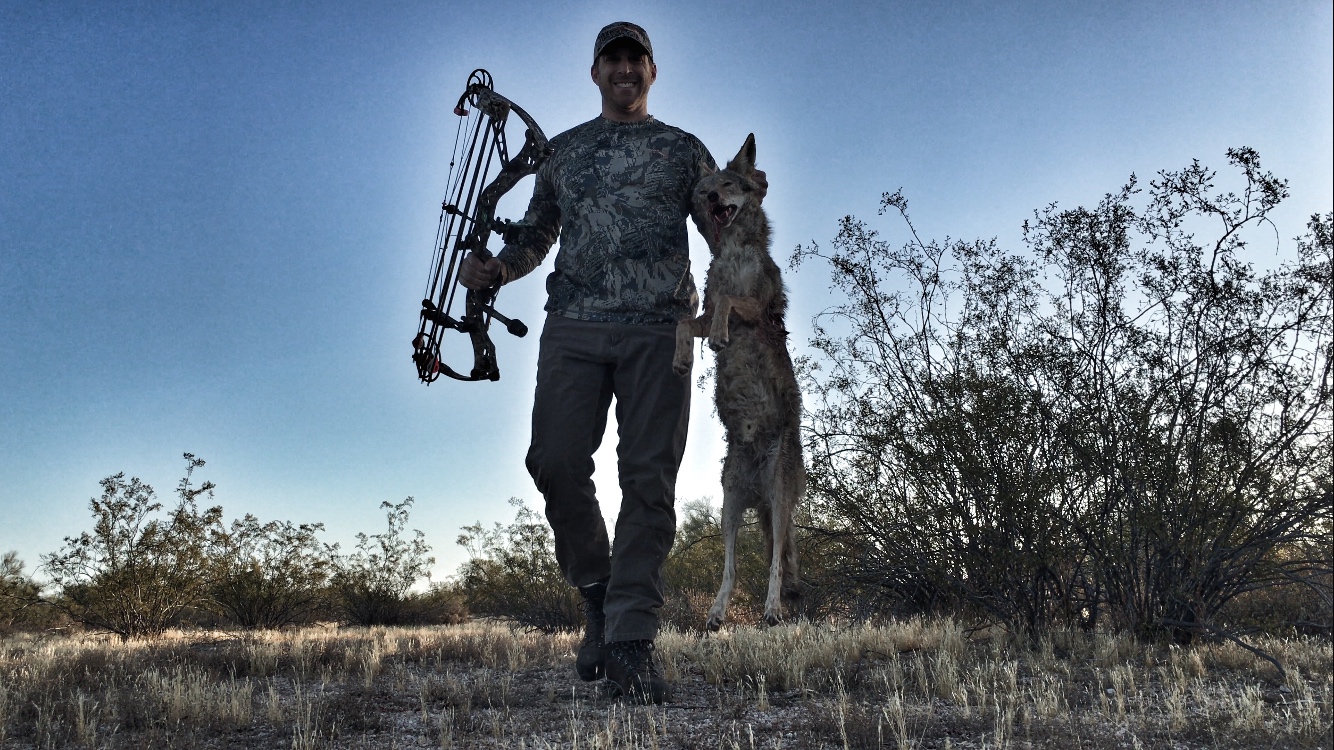
Whether you’re a beginner or a season predator hunter it’s tough to get a coyote or any predator for that matter with a bow… They come in hot, they come in super alert, and they can jump a string faster than any deer I have every shot at…… So I have developed a couple of little tricks I picked up over the years to try and get predators within bow range and actually get off a shot…
Unlike firearm hunting where the setup is not as important as location with archery equipment how you set up the stand will make the difference between getting a coyote or watching him run away leaving you wishing you had your shotgun… I mentioned location I’m gonna quickly touch on this before we get to the set up part… Obviously if you’re not calling where coyotes and other predators “hang”…. then the best set up in the world isn’t going to help you. Doing your homework finding travel corridors, bedding areas and “hunting grounds” are key to having a response to your call.. But we will save this topic for another time…
Ok back to the lecture at hand….Finding a good set up to score a coyote with a bow is made of up of several different key components…. Approach, Wind direction, vantage point and concealment.
Approach: Your approach when at all possible, I like to enter an area in an ”L” shaped approach walking in with the wind in my face then taking a hard 90 so that the wind ends up being side to side instead of in my face… Why? Because more times than not a predator (especially cats) will approach from downwind which means they will come from behind you if the wind is in your face. Putting the wind side to side often will make them cross in front of you broadside. I also try to approach my stand by avoiding disturbing the area that I believe they will come from. And If I don’t have these options I don’t bow hunt that spot period….
Wind Direction: We already talked about the wind a bit but to get a bit more detailed I prefer the wind be under 15mph and above 5mph this helps with concealing your movement when you go to draw.. When the bushes and vegetation around you are moving a bit with the wind they are less likely to catch you moving. When at all possible I like the wind going from the area I think is holding the coyotes away and across me… But if the wind is going toward them it’s OK I just make sure I lay a little scent down (rabbit distress or fox urine) something to add to the illusion. Speaking of illusion decoys motion decoys are a good tool for this set up.
Vantage Point: The terrain doesn’t always lend itself to this but I like to have a bit of a vantage point even if it’s just a little rise or a rock out cropping…I really try to pick spots that have the terrain sloping away from me even if it’s a slight slope but when I can’t I look for small open parks just big enough to shoot across 50 yards or less or I look for edge cover… Basically something that gives me the advantage of seeing them before they see me. If you can couple this with good concealment you will improve your odds of getting a shot off…
Concealment: Aside from having good camo and controlling your scent your vantage point should be a counterpart to your concealment… In fact it’s probably the most important piece to the puzzle.. I try to look for a tree or shrubbery that I can sit down under or against or even better in.. I want to clear it all, remove anything that may give me away or make noise. Also I check my draw and make sure I have clearance and the ability to shoot at all my open points or lanes. I usually like to have some kind of brush or deadfall in front of me, just enough to help break me up but not take away from my ability to shoot. Shade is a great tool for concealment as well especially if the shade is just covering you and creates an edge just beyond your position.. The sun is your friend if you can keep him behind you… nothing works better to get a dog to stop and stare for that extra moment then having the sun at your back and in his eyes. The contrary to this is having the sun in your face, I avoid this set up at all cost you are lit up like a Christmas tree even if you have a bit of top shade…
Other points of concealment such as a buffer bush or a boulder something that allows you to see through or around but is big enough for you to come to full draw without him seeing as he is coming into your shooting lane.
Bonus info: Well now all you gotta do is sweet talk one in close enough to shoot, I recommend using an electronic game call like a foxpro that way you can have your hands free and use the call more to your advantage as you will see in my videos… couple little tricks if you are using an electronic caller such as a foxpro: point the call in the direction you want them to come from, place the call under or behind something so they have to come around that obstacle or try to peak under to get at it.. I like to set my call 20-25 yards away from me out on an angle so they have to come across me to get to it…. Good luck and we will see ya out in the field..
Here are two quick videos of this technic in action Bowhunting coyote part 1 and part 2
Connect with John Stallone
youtube
Podcast
Facebook
Twitter
Instagram